OOB condo communities and beachfront associations
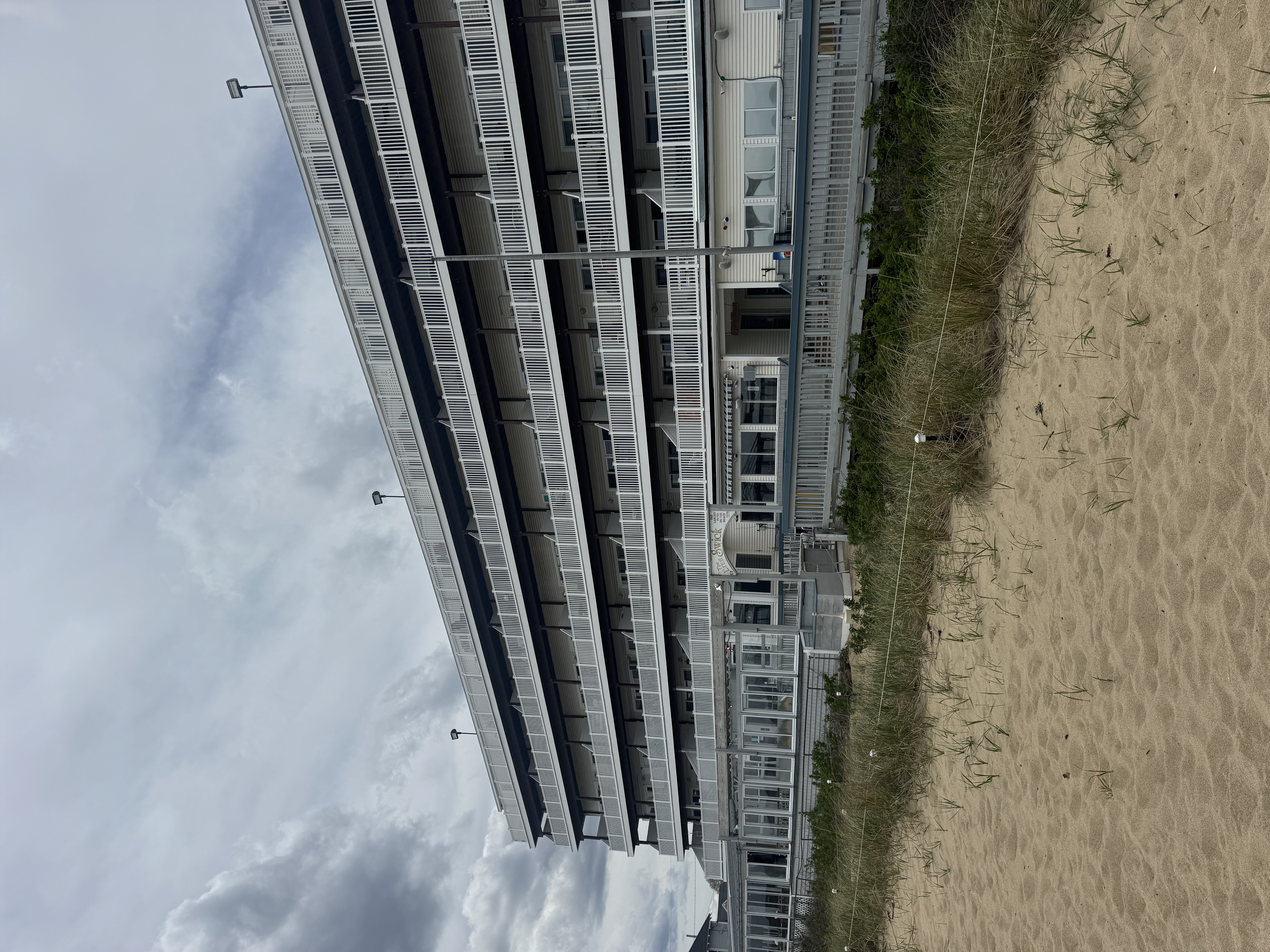
Dozens of associations. Some warrantable, some not. Some allow short-term rentals, some prohibit. Master list below.
Updated May 2026
Five categories, scored 1, 10. Placeholder values, adjust per neighborhood.
- Beach Access7/10
- Walkability7/10
- Year-Round Community6/10
- Investment Potential7/10
- Quietness6/10
Major associations at a glance
The Brunswick
Long-established oceanfront association in downtown OOB. Mix of one and two bedroom units. Generally warrantable with seasonal STR allowed within building rules; verify current bylaws and master insurance.
The Forest
Mid-size association set back from the oceanfront. Strong year-round occupancy. Typically warrantable for conventional financing. Quieter than the on-the-Pier buildings.
The Overlook
Newest large project, currently under construction. New construction warranties, modern envelope, contemporary unit layouts. Confirm warrantability status with each delivery phase.
Casablanca
Oceanfront condo with strong rental history. Often non-warrantable due to investor concentration; financing typically requires a portfolio or condo-specific loan program.
Warrantable vs non-warrantable
Warrantable means the building meets Fannie Mae and Freddie Mac project review standards, which lets a buyer use a conventional or FHA loan with normal terms. Non-warrantable means at least one criterion fails, which pushes financing to non-agency or portfolio products. Deja runs both. Non-agency rates run modestly higher than conventional but the loan still closes; the buyer just needs to know going in.
What kills warrantability
- High investor concentration. More than 50% of units owned by non-occupants typically fails.
- High HOA delinquency. More than 15% of owners more than 60 days behind on dues typically fails.
- Commercial space ratio above 35%. Common in mixed-use Pier buildings with retail on the ground floor.
- Single owner of multiple units. Concentration limits apply.
- Pending litigation against the association involving safety or structure.
Short-term rental rules vary by association
Some associations prohibit any rental shorter than thirty days. Some restrict to monthly minimums. Some allow nightly rentals subject to registration with the association and the town. Read the bylaws and any amendments before you buy if rental income is part of the underwriting; a building that allowed nightly rentals five years ago may have voted in a thirty-day minimum since.
What to pull before contract
- Full association budget for the current and prior year.
- Two years of board meeting minutes.
- Master insurance policy declarations page, including wind and flood coverage detail.
- Rental rules in the bylaws and any amendments.
- Owner-occupancy ratio and investor concentration.
- Pending and recent special assessments.
- Most recent reserve study.
Insurance and the master policy
The association master policy typically covers the exterior, common areas, and depending on the bylaws either bare walls or walls-in coverage of the interior. The owner is responsible for an HO-6 condo policy that picks up the rest, plus contents and liability. Confirm the master policy covers wind separately, and confirm whether flood is included or whether the association carries a separate Flood master. In OOB many associations require unit owners to carry their own flood policy.
Reserve studies
The Maine Condominium Act requires associations to maintain reserves for replacement of common elements. Older associations are sometimes underfunded relative to the recommended reserve schedule, which translates into special assessments when major systems (roof, elevators, seawall, decks) reach end of life. The reserve study tells you what is coming and when.
Compiled from Town of Old Orchard Beach, RSU 23, FEMA, Maine Revenue Service, US Census, MLS, and field interviews. Deemed reliable but not guaranteed; verify before any transaction.